AI and Graphic Design: The Current Situation
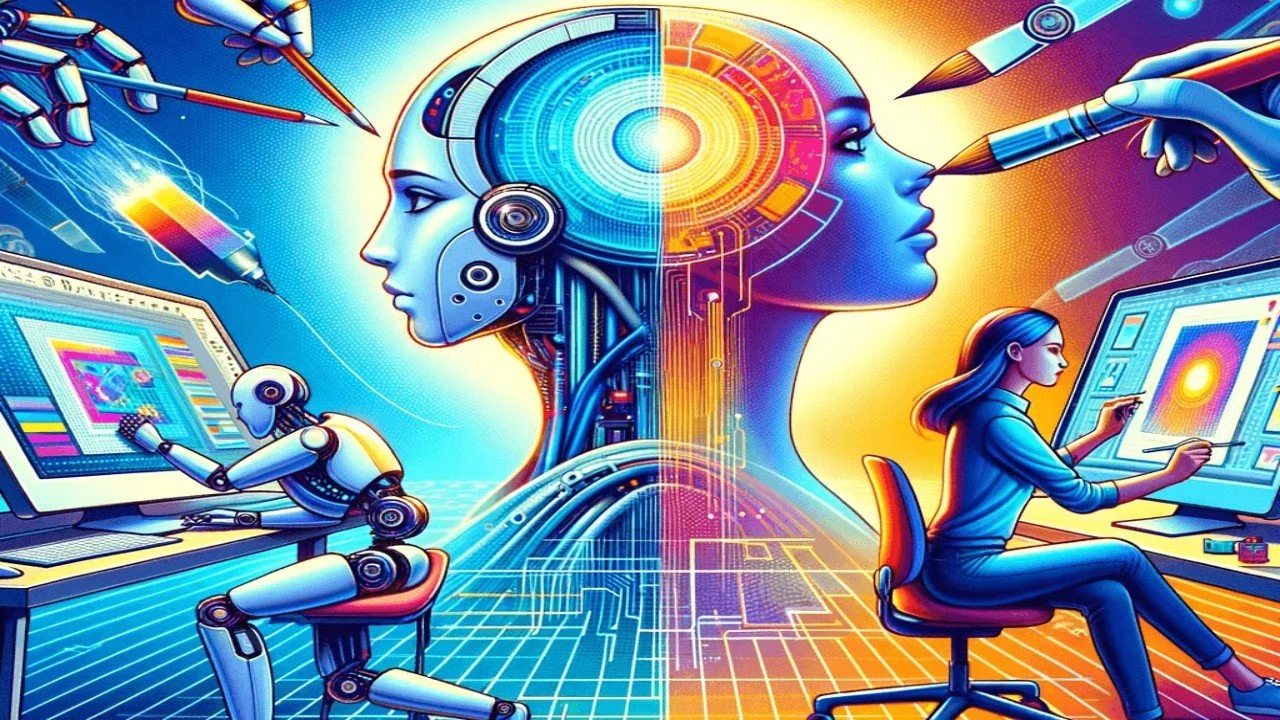
The rise of AI-powered tools and other immersive design tools is setting the industry ablaze with several questions and doubts about the future of jobs and the look of professional designs. The moral issue of using AI at work has been a widely debated topic in recent years. However, there's one aspect of this debate that people clearly fail to understand- balance. I believe that AI can be used in professional work, but in a way that one understands the limitations of AI, how it can't do all the work for them, and how they can use it to enhance their work rather than a replacement for their current design tools.
The Positives
One aspect of AI that people struggle to understand is the technology. The tech has the ability to learn and grow, similar to humans- it understands how we prompt, and the generation seems to be better and more communicative the more one feeds it. Knowing exactly what you want to make is as important as it was before these AI tools were created- knowing a clear picture of what to design is the logical first step and takes place long before the design hits the screen or a detailed prompt is given to the AI. One way to balance AI use with the process is to think without AI for most of the project, then use the AI-generated images as inspiration for the final design. Also, AI can be empowering to some people, as its tech demonstrates how easy it is to use to perform tasks such as removing image backgrounds, suggesting layouts, and auto-organizing colors, files, shapes, and other design elements.
The Negatives
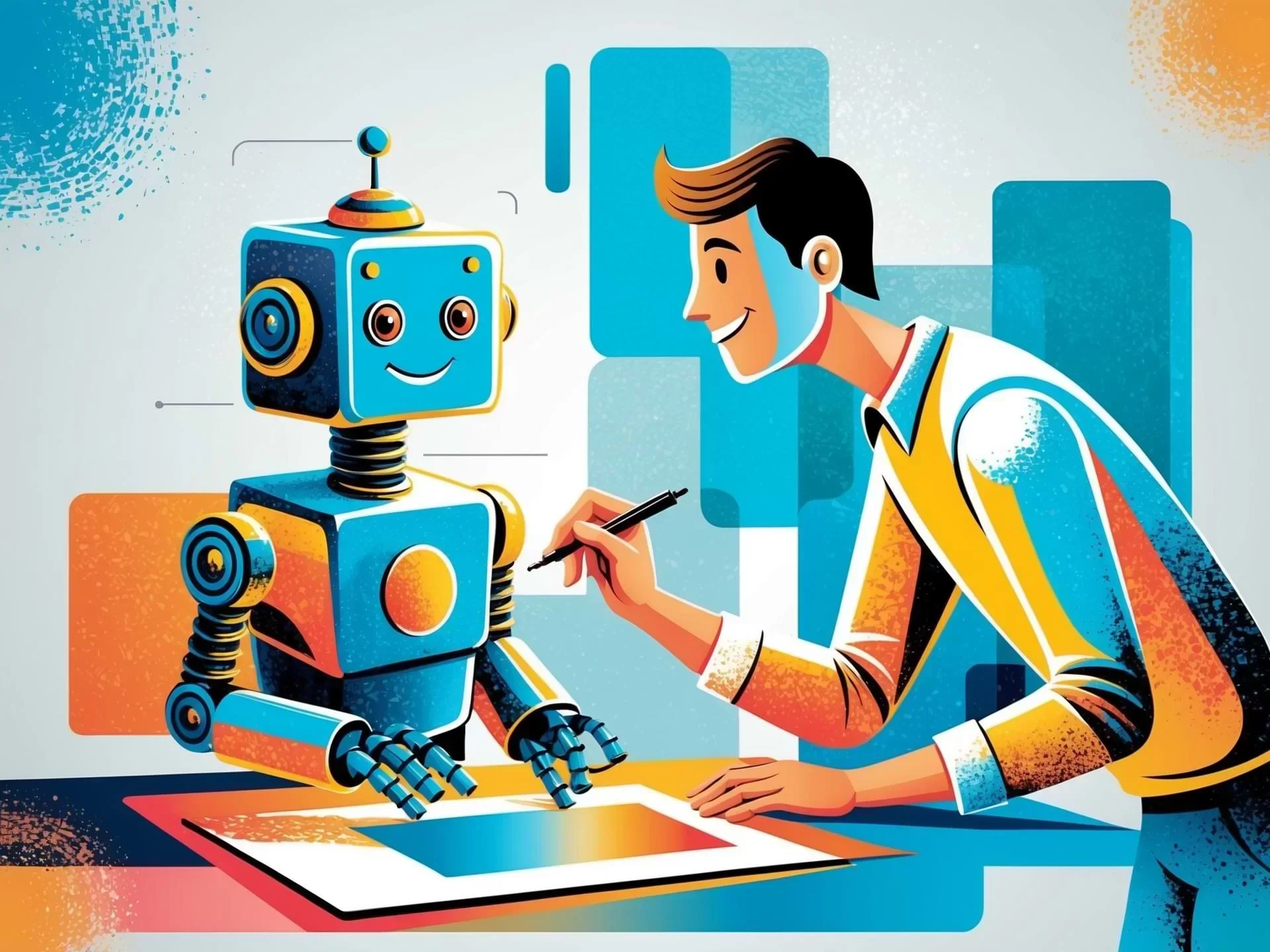
Unfortunately, this new addition to the industry has been notorious for bringing numerous criticisms and flaws to the table, such as the rise of "AI Slop". Low-effort, low-complexity content has proliferated, making it increasingly difficult to discern whether the content produced is AI-generated. One way we can avoid these issues is to use AI as intended- a tool, not a replacement. When I design my work, I use the same ideas and employ AI only to 'enhance' them, not replace them.
How To Balance
Knowing what should and should not be done with AI is crucial to a designer's success. Here's how I would limit and furthermore balance my AI usage when creating a design: First, for the first entire half of the project, I would bar myself from using AI, due to coming up wth the idea in question being the most important part of creativity. A machine cannot perform tasks that a human brain can, so until I have an idea and do some rough sketches of it, no AI is used. Afterward, I first used AI to 'enhance' the rough sketches and colored sketches to give me an idea of what it would look like. I would use that image for inspiration to deliver my own take on it, utilising my own software. I use the image as a tool, not a replacement. I create my own version or take of the image, make sure it is human-made, and make it more detailed and better than what the AI gives me. This process is a very simple way to reduce the amount of AI use in workplaces, and how creativity can still shine through despite the minimal AI use.
All in all, AI, while great in concept and demonstrating that we are currently living in the future, must be kept in check and balanced with our use of it, and we must also strengthen our own creativity without it.
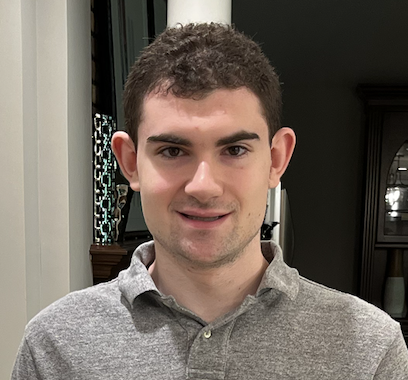
Author: Spencer Klein
Spencer Klein is a graphic designer from Long Island, New York with a passion for video games, comics, and pop-culture. He studies how design is marketed towards diverse audiences and uses his research to create stunning designs for anyone to view and enjoy.
